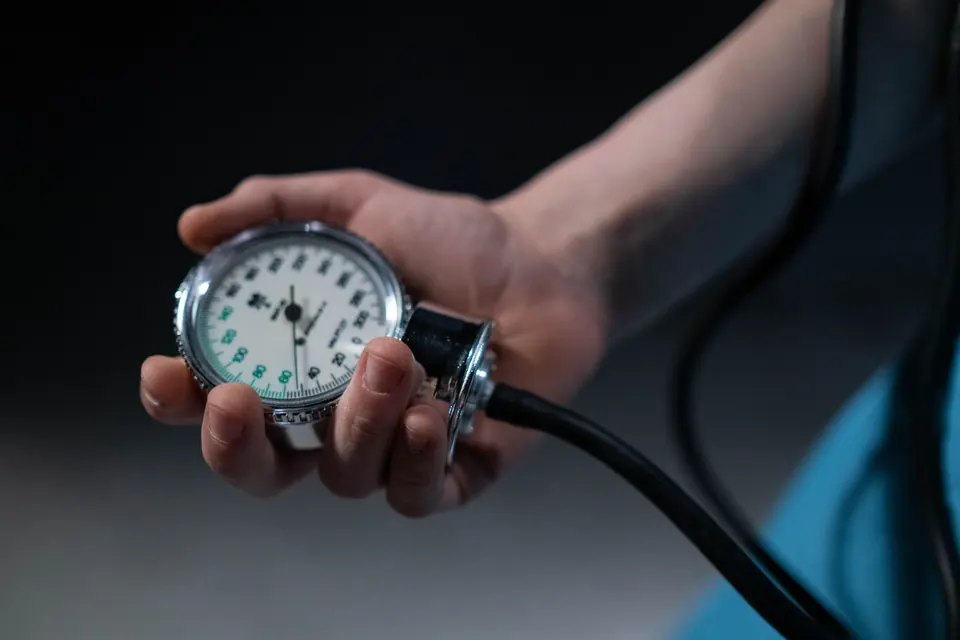
Feeling well does not replace a check
High blood pressure may cause no obvious symptoms. Blood pressure monitoring is part of antenatal care, and existing hypertension should be discussed early in pregnancy. [1] Do not use this article to diagnose a reading or choose a medicine.
Prepare your information
Bring previous readings, the dates they were taken and your medicine list. If you use a home monitor, tell the clinician which device and cuff you use. Ask whether it is suitable for pregnancy and request a demonstration rather than guessing how to measure.
Agree a response plan
Ask which readings require a call, which require urgent assessment and where to go outside normal hours. Request written instructions for your situation. If a reading concerns you, contact your care team; repeated self-checking should not delay the assessment they advise.
Symptoms that need prompt attention
A severe persistent headache, visual changes or severe pain beneath the ribs can be warning symptoms of pre-eclampsia. Seek medical help immediately rather than waiting for a routine appointment. [2] These are examples, not a complete warning-sign list.
Common questions
Can I stop tablets if a reading looks better?
Changes to blood-pressure treatment during pregnancy should be discussed with your doctor. [1]
Does a home reading replace the antenatal visit?
Ask how home monitoring fits your care plan. Keep the appointments recommended by your clinician.
What should I ask before leaving?
Confirm your next review, how results will be explained and a contact route for concerns. Ask whether additional assessment must take place elsewhere.
Discuss your questions in Hazro
Request a consultation and read how appointments work. Confirm the fee, appointment and relevant service availability with the hospital before travelling.
Ask about online consultation availability. This is an enquiry, not a paid or confirmed video booking. Online discussion cannot replace an examination or emergency care. Do not send medical records through the appointment request.
General educational information only; your clinician should advise on your individual care.